Bottega Veneta Handbag: Real or Fake? How to Authenticate
Bottega Veneta stands for "Quiet Luxury" – the highest material quality and masterful craftsmanship without ostentatious logos. But how do you distinguish an original from a high-quality counterfeit? In this guide, we show you the most important features.
Looking for a guaranteed original?
Shop Bottega Veneta Originals now1. The Material: The Soul of Bottega Veneta
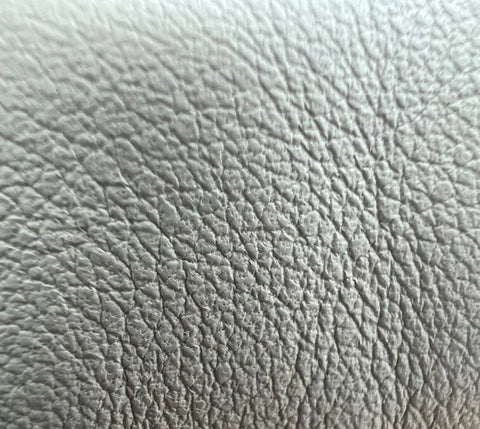
The core of almost every Bottega bag is Nappa leather. It is known for being butter-soft. An original exudes a subtle, noble leather scent.
Fake-Check: Does the bag smell of chemicals or plastic? Does the leather feel stiff or artificial? Then caution is advised. The iconic "Intrecciato" weaving technique must also be absolutely uniform and without loose ends.
2. The NFC Chip: Modern Authentication
Since about 2021, Bottega Veneta (under Kering) has integrated RFID and NFC chips into some of its bags. These are usually hidden in the lining or behind the logo tag inside.
- Function: With a smartphone and a corresponding app, this chip can be read to confirm the bag's identity in the database.
- Caution: Counterfeiters also use simple chips nowadays.
3. The "Made in Italy" Label
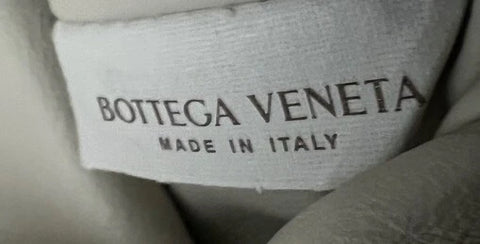
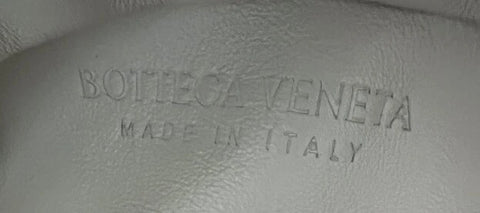
Inside, you will find the characteristic brand stamp. Pay attention to the typography: "Bottega Veneta" is at the top, with "Made in Italy" below it.
The "Made in Italy" lettering should be embossed in a finer, thinner font than the brand name. The embossing must be clean on the leather, without the letters "bleeding."
4. Hardware & Zippers
Bottega Veneta often uses matte hardware. Too shiny, lightweight metal is a typical characteristic of fakes. Original chains (like on the Chain Pouch) have a substantial weight.
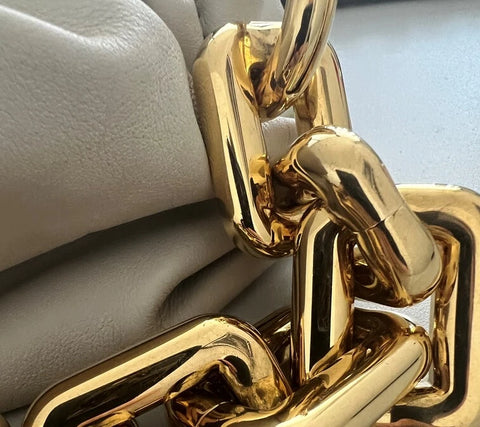
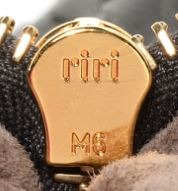
For zippers, the brand almost exclusively relies on the premium manufacturer RIRI. Look for the Riri lettering or the butterfly logo on the back of the slider.
5. Serial Number & Tag
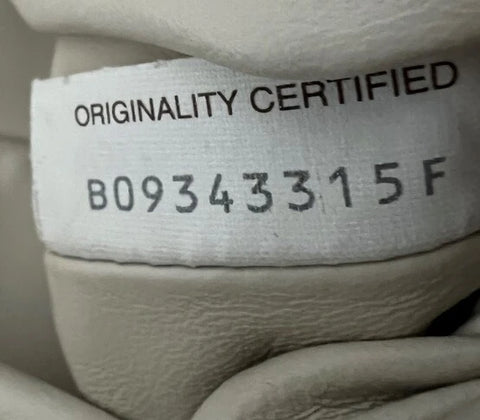
Modern bags have a white fabric tag inside with a serial number. This tag often has a slightly "frayed" or rough upper edge – an intentional characteristic of the weave that counterfeiters often cut smooth.